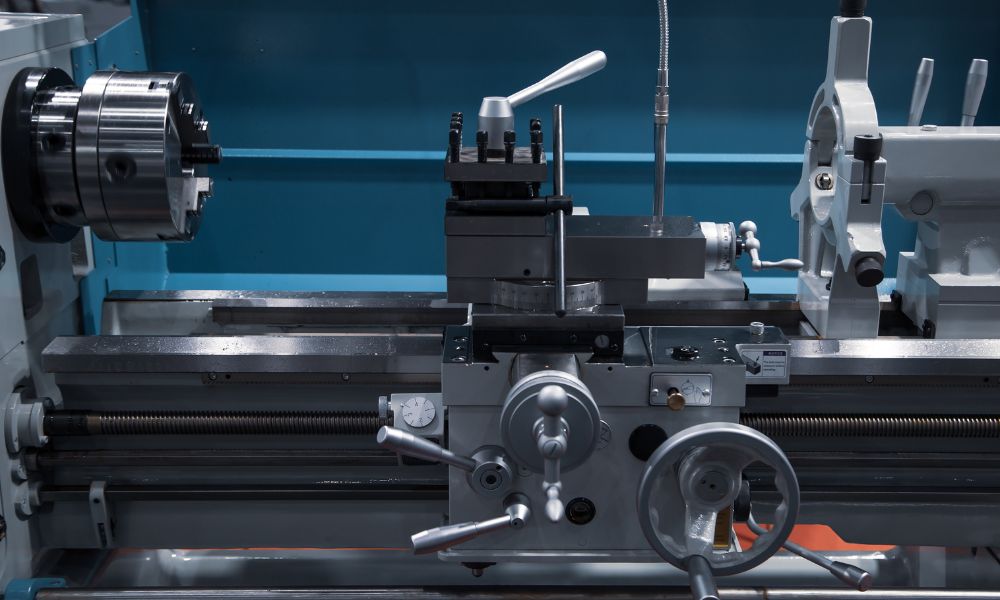

Operating a machine shop requires precise tools, a controlled environment, and high-performance lubrication and cooling systems. These materials ensure your machinery performs efficiently while maximizing tool life and improving output quality. Understanding the different types of coolants and lubricants for machine shops can help you select the right product for every application.
What Are Coolants and Lubricants?
Coolants and lubricants rely on carefully formulated chemical compositions to optimize machine performance. Coolants combine water for heat absorption with additives like glycols, corrosion inhibitors, and biocides. Glycols improve thermal stability, while inhibitors protect machine surfaces from rust and wear. Biocides prevent microbial growth in water-based solutions, keeping systems clean and functioning effectively.
Lubricants include base oils derived from petroleum or synthetics, enhanced with additives that improve viscosity, reduce oxidation, and limit foaming. For example, zinc dialkyldithiophosphate (ZDDP) reduces wear on metal surfaces, while detergents protect against deposits by keeping contaminants suspended. Many lubricants also contain extreme pressure (EP) additives such as sulfur or phosphorus compounds to withstand heavy loads.
Metal Cutting Fluids
Metal cutting fluids are essential for machine shops, particularly when it comes to reducing heat and friction, flushing away chips, and improving precision. Whether you’re milling or drilling, cutting fluids keep your tools intact and your results sharp.
Types of Cutting Fluids
The two common types of metal-cutting fluids people use across industries are water-based and oil-based fluids. Water-based fluids absorb heat during machining processes. They suit high-speed applications like milling or turning, where heat buildup threatens tool longevity. Additives in water-based fluids include rust inhibitors and biocides to prevent corrosion and microbial growth.
Oil-based fluids are known for their lubricating properties. They outperform water-based ones in heavy machining tasks such as threading or slow-speed drilling. While they have lower cooling abilities, their lubrication reduces wear on both tools and machines.

Hydraulic Oil
Hydraulic oil powers certain machines in your shop, maintaining pressure in hydraulic systems, reducing friction, and dissipating heat. Mineral-based hydraulic oil, derived from crude oil, suits general-purpose applications. Its affordability and compatibility with most machines make it ideal for medium-duty shops.
Synthetic hydraulic oil, ideal for extreme conditions, resists oxidation, handles higher temperatures, and works well in uptime-critical settings like CNC machining centers. Hydraulic oil also reduces stick-slip motion, a common issue in machine tools.
High-viscosity, temperature-stable oil minimizes jerking, ensuring smoother operation. Shops producing precision parts, such as small gears, benefit from its accuracy-enhancing properties. To keep hydraulic systems running smoothly, change the oil regularly, and watch temperature levels, as overheating signals oil breakdown.
Soluble Oils
Soluble oil is a special type of coolant for machine shops that combines the lubricating capabilities of oil with the cooling properties of water. By mixing them into an emulsion, these fluids offer balanced performance for a variety of machining tasks. If you work with metals prone to warping, such as aluminum, you’ll appreciate this category of coolants.
Why Use Soluble Oils?
Soluble oils reduce heat while offering moderate lubricity. This makes them effective in both light-duty processes, such as reaming, and more demanding tasks, such as broaching. They’re especially helpful when cutting ferrous metals, as they include additives that reduce oxidation, keeping workpieces free of rust.
Proper Mixing
To maximize performance, follow the manufacturer’s recommended dilution ratios. Too much water lowers lubricating properties, while too much oil reduces cooling efficiency. For example, cutting thin stainless-steel sheets calls for a leaner mix of oil, while thick castings may need a richer emulsion.
Way Oils
Way oils, or slideway oils, lubricate the sliding surfaces of machine tools by creating a protective film that prevents metal-to-metal contact. This film ensures smooth movement of beds, tables, and other parts along guideways, reducing wear and tear.
These oils enhance precision by improving positional accuracy. For instance, even minor friction can cause visible errors in a CNC machine cutting intricate details into brass. Using the right slideway oil eliminates these inaccuracies, ensuring flawless finishes and consistent results.
Way oils also prevent stick-slip, the jerking motion caused by uneven forces between sliding parts. They adhere to surfaces and resist washouts from metal-cutting fluids, maintaining uniform motion throughout operational cycles.
Selecting the correct viscosity is essential for optimal performance. Low-viscosity oils suit small, lightweight machines, while heavier oils work better for large, heavy equipment like gantry mills or press brakes.
Nitrite-Based Coolants
Nitrite-based coolants combine cooling efficiency with anti-corrosion protection, making them versatile choices for shops working with metals prone to rust or oxidation. For example, shops machining automotive parts use nitrite-based coolants to keep steel components clean, rust-free, and ready for further processing or assembly.
These coolants perform exceptionally well in high-speed operations including grinding, high-feed-rate milling, or other heat-intensive processes. They dissipate heat quickly, preserving surface integrity and reducing the risk of warping or thermal damage.
Nitrite-based coolants extend the life of cutting tools by keeping them sharper longer, and they ensure cleaner, more precise finishes on machined parts. They also reduce corrosion within the coolant system, improving machine health and reliability in demanding shop environments.

Greases for Moving Components
Grease keeps rotating and sliding components in top condition. Its thick, viscous texture delivers long-lasting lubrication, making it ideal for areas where oil drips off or dries out quickly. Bearings, bushings, and spindles operate more efficiently with proper grease application.
Types of Greases
Machine shops rely on lithium-based grease and synthetic grease.Lithium grease offers versatility, working in everything from small spindle bearings to heavy-duty axle grease points. It resists water and handles a wide range of temperatures, making it a go-to choice.Synthetic options, on the other hand, handle high-speed applications and heavy loads in extreme conditions. Shops use these for fast-moving drill presses or CNC routers.
Specialty Lubricants
Certain machine shop tasks require specialty lubricants for specific purposes. These include dry lubricants, cutting wax, and anti-seize compounds. Here’s a closer look at these options.
Dry Lubricants
Dry lubricants, such as graphite or molybdenum disulfide, handle high-temperature applications. Applying dry coatings to extrusion dies prevents metal adhesion and ensures smooth product flow. Their lack of liquid components eliminates flammability risks, suiting heat-intensive environments such as forging or die-casting operations.
Cutting Wax
Wax-based lubricants perform exceptionally well in slow-speed machining or situations where the operator can’t use liquid coolants. People machining intricate components often use cutting wax to achieve precise finishes without the mess of coolant overspray. Additionally, cutting wax reduces tool wear and improves surface quality in delicate operations such as engraving or threading.
Anti-Seize Compounds
Anti-seize lubricants protect fasteners and threaded components exposed to extreme conditions, such as high heat, moisture, or corrosive environments. Applying these compounds during assembly, for example, when securing a lathe chuck or adjusting die plates, prevents galling and ensures easier disassembly later. They also reduce the risk of thread damage, extending the lifespan of critical components.