Machining is a powerful craft intimately connected to the rise of modern industry. It’s a symphony of precision, power, and expertise that transforms raw materials into intricate parts that are vital to our vehicles, machines, and technology. Despite its profound impact, the mystique of machining can be intimidating to newcomers. If you’re just stepping into this world, allow us to demystify the basics with a beginner’s guide to machining processes.
The Essence of Machining
Before the Industrial Revolution, the process of crafting metal products was slow and tedious. The introduction of machine tools marked a revolution, altering the manufacturing landscape. Today, machining processes remain the backbone of manufacturing, playing a pivotal role in shaping modern society.
Machining is the art and science of creating parts by removing material from a solid block. It requires various machine tools and equipment, including lathes, milling machines, and drills. Precision is paramount; even a hair’s breadth of error can result in the failure of a final product.
Overview of Machining Processes
Machining, the process of shaping materials into desired forms, encompasses many methods, ranging from traditional to cutting-edge. However, certain methods are considered more common and fundamental than others. Here, we present five foundational techniques that serve as the building blocks of machining, providing a solid starting point for anyone venturing into this fascinating field.
Turning
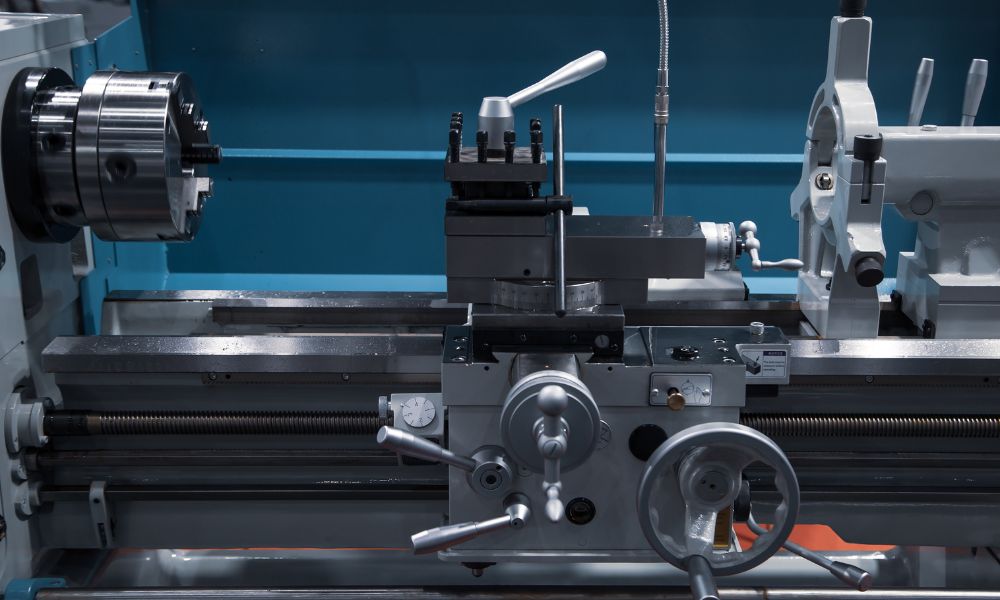
The turning process (also known as lathing) involves rotating a workpiece while a single-point cutting tool traverses the surface. This can create cylindrical pieces, washers, rings, or cones with precise measurements.
Milling
In milling, the rotating cutting tool typically has multiple cutting edges. This process can handle a variety of shapes, including flat surfaces, holes, and irregular contours. Milling machines are versatile, and their applications are diverse.
Drilling
Drilling is a simple yet critical machining operation. It’s the process of creating holes using a cutting tool with two or more cutting edges. The applications of this operation range from producing tiny watch parts to drilling large tunnels.
Grinding
Grinding is an abrasive machining process that uses a grinding wheel as the cutting tool. It sharpens and finishes metal parts, often to a high degree of precision. The process can remove material at high speeds.
Boring
Boring is used to enlarge an existing hole. It’s a slightly different operation from drilling, providing cylindrical accuracy and a smooth finish. It’s especially useful for creating ultra-precise holes in parts used in engines and turbines.
Each process demands a different set of tools, machines, and techniques. Understanding them is crucial for anyone taking the first steps in machining.
Key Principles and Techniques
Machining is a multifaceted craft that involves more than just operating a machine. It’s about honing your skills, mastering your tools, and implementing the right techniques to achieve precision and efficiency. By immersing yourself in the world of machining, you open the door to endless possibilities and opportunities for innovation. From understanding the intricacies of different cutting tools to exploring advanced machining processes, there is always something new to learn and discover.
Cutting Tools
The heart of machining lies in the cutting tool. For turning, the tool is typically a single-point tool. You can use a wide range of cutting tools of various shapes and sizes in milling. Understanding these tools’ geometries and material makeup is essential to achieving effective cuts.
Feed and Speed
Understanding the relationship between the feed (the distance the tool advances for each revolution) and the speed (in revolutions per minute) is critical for machining success. Correct feed and speed values maximize tool life while optimizing productivity.
Material Selection
Different materials require different strategies. Metal’s hardness, toughness, and other properties dictate the kind of machining processes and tools to use. For instance, aluminum will respond differently to cutting than stainless steel.
Selecting the right tools for the job and controlling feed and speed will go a long way toward improving your machining skills.
Common Applications
Machining is far from an isolated task; it is an indispensable process that resonates across numerous industries. Its precise and intricate techniques find application in various sectors, contributing to the creation of essential components and products. Whether in aerospace, automotive, medical, or even electronics, machining plays a vital role in shaping and refining the intricate details that make up our modern world. The precision and craftsmanship involved in machining ensure the production of high-quality and reliable parts that meet the ever-evolving demands of these industries.
Safety Considerations in Machining
Ensuring safety is of the utmost importance in machining. The presence of high-speed rotating surfaces and small, sharp tools demands absolute precision and attention. Even the slightest error can have serious consequences. To maintain a safe working environment, follow a set of essential safety practices. By consistently implementing these measures, we can minimize risks and prioritize the well-being of everyone involved in the machining process.
Protective Equipment
Wearing the right gear is non-negotiable. This includes safety glasses, gloves, hearing protection, and, often, full face shields. Individual tasks may require additional safety equipment.
Hazardous Materials
The materials used in machining, such as metal shavings and oils, can be hazardous. Proper handling, storage, and disposal of these materials are vital. Understanding and respecting the potential risks in machining is the first step in a safe and productive career.
Tips for Beginners
For those embarking on their machining journey, a few valuable tips can help set you off on the right path and help you navigate the machining world confidently and successfully. Whether you’re a beginner or someone looking to enhance your machining skills, these insights will provide you with a solid foundation to build upon. By following these tips, you’ll be equipped with the knowledge and guidance needed to excel in the field of machining and unlock endless possibilities for innovation and craftsmanship.
Proper Machine Setup
Ensure you allocate sufficient time to meticulously arrange your machine setup. Before commencing, verify that all components are properly configured. This diligence will prove advantageous in the long term, streamlining the process and minimizing frustration.
Maintenance and Troubleshooting
Learn to maintain your tools and equipment. A well-maintained machine will produce better results and prevent unnecessary repairs. Additionally, knowing how to troubleshoot will be invaluable when things go wrong.
This beginner’s guide to different machining processes should serve as your map through the early stages of understanding machining. Embrace the opportunity to delve deeper into these topics, practice your skills, and, most importantly, never stop learning. Check out TMT Toolbox’s selection of machining cutting tools to prepare for your next project. Machining is a craft that continually rewards those who approach it with curiosity and dedication.