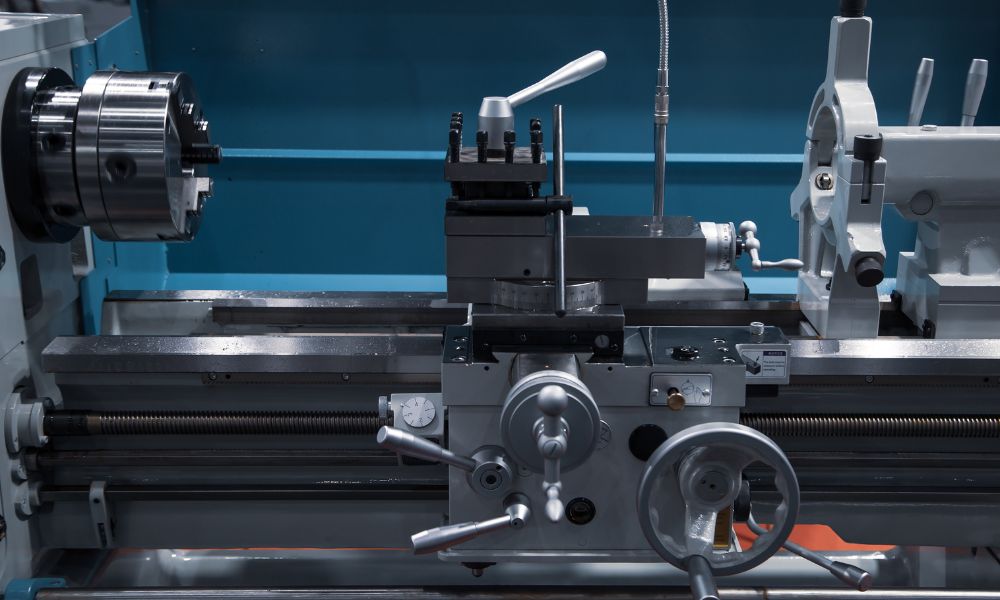
Surface finishing wheels play a crucial role in achieving the desired surface quality and precision in various industrial applications. Selecting the right wheel involves considering factors such as mounting types, center hole configurations, shank styles, and the material composition of the wheel. In this guide, we’ll explore each aspect to help you make informed choices for your surface finishing needs.
Mounting Types
Surface finishing wheels come in different mounting types, each designed for specific applications. The common mounting types include:
- Arbor Mounting: This type of mounting involves securing the wheel onto a spindle using a flange or nut. Arbor-mounted wheels are widely used in bench grinders and similar machines.
- Threaded Mounting: These wheels have a threaded hole that screws onto a threaded spindle. Threaded mounting is common in portable tools and certain grinding machines.
- Quick-Change Mounting: Designed for efficiency, quick-change mounting systems allow for rapid wheel replacement without the need for tools. This type is often used in applications where frequent wheel changes are required.
Center Hole and Shank Styles
The center hole and shank styles of surface finishing wheels are essential considerations for proper mounting and stability:
- Center Hole Configuration: The center hole of a wheel should match the spindle size for secure mounting. Common configurations include plain, flanged, and countersunk holes. Ensure compatibility between the wheel’s center hole and the machine’s spindle.
- Shank Styles: Some wheels have shanks, providing additional support and control during precision work. Common shank styles include straight shanks and tapered shanks. The choice depends on the application and the level of precision required.
Material Considerations
The material composition of surface finishing wheels significantly impacts their performance. Different materials are suitable for specific applications:
- Aluminum Oxide: Ideal for general-purpose grinding and finishing applications. Aluminum oxide wheels are versatile and cost-effective, making them suitable for a wide range of materials.
- Silicon Carbide: Known for its hardness and ability to cut hard materials, silicon carbide wheels are suitable for tasks such as grinding carbide tools and non-ferrous metals.
- Diamond Wheels: Designed for precision grinding of hard materials like carbide, ceramics, and glass. Diamond wheels offer excellent durability and precision but come at a higher cost.
- Ceramic Alumina: Combining the toughness of aluminum oxide with the sharpness of silicon carbide, ceramic alumina wheels are suitable for heavy stock removal on metals.
Comprehension Test
Question 1:
What is the purpose of the center hole in a surface finishing wheel?
a) Aesthetic enhancement
b) Secure mounting on the spindle
c) Extra weight for better stability
d) None of the above
Question 2:
Which mounting type allows for rapid wheel replacement without the need for tools?
a) Arbor Mounting
b) Threaded Mounting
c) Quick-Change Mounting
d) Flanged Mounting
Question 3:
What material is often used for precision grinding of hard materials like carbide and ceramics?
a) Aluminum Oxide
b) Silicon Carbide
c) Diamond
d) Ceramic Alumina
Answer Key:
- b) Secure mounting on the spindle
- c) Quick-Change Mounting
- c) Diamond