Introduction:
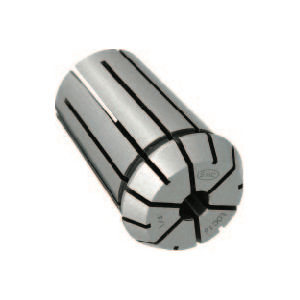
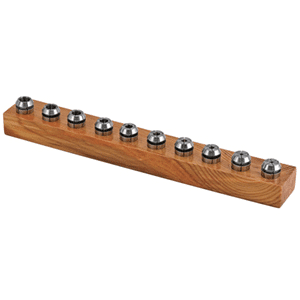
Milling machines play a crucial role in the world of machining, enabling precise cutting and shaping of materials. One essential component in the milling process is the end mill holder. End mill holders provide a secure and efficient means of holding end mills, offering several advantages over alternative methods such as collets or end mill chucks.
Features of End Mill Holders:
1. Rigidity:
End mill holders are known for their exceptional rigidity. The design of these holders allows for a direct and solid connection between the machine spindle and the end mill. This rigidity minimizes tool deflection during machining, resulting in improved accuracy and surface finish.
2. Accuracy:
The precision of end mill holders is a key factor in their popularity. With minimal runout, these holders ensure that the end mill spins true to its axis, preventing any wobbling or deviation. This accuracy is essential for achieving tight tolerances and high-quality machined parts.
3. Vibration Damping:
End mill holders excel in damping vibrations generated during the milling process. The reduction of vibrations is critical for extending tool life, enhancing surface finish, and promoting overall machining stability. This feature is particularly advantageous when working with high-speed or high-precision applications.
4. Versatility:
End mill holders come in various sizes and types, accommodating a wide range of end mill shank diameters. This versatility allows machinists to easily switch between different end mills without the need for tool changes or adjustments. Quick and efficient tool changes contribute to increased productivity in machining operations.
5. Coolant Through Capability:
Many end mill holders are designed with coolant through capability. This feature enables the delivery of coolant directly to the cutting edge of the end mill, improving chip evacuation, reducing tool temperatures, and enhancing overall machining performance.
Benefits Over Other Holding Methods:
1. Superior Runout:
While collets and end mill chucks have their merits, end mill holders generally offer superior runout performance. The direct and robust connection between the holder and the spindle minimizes runout, ensuring precise and concentric tool movement.
2. Increased Tool Life:
The combination of rigidity and vibration damping in end mill holders leads to increased tool life. By minimizing deflection and vibrations, these holders contribute to reduced tool wear and longer intervals between tool changes, ultimately saving time and cost.
3. Enhanced Surface Finish:
The stability provided by end mill holders results in improved surface finishes on machined parts. The reduction of vibrations and the accurate rotation of the end mill contribute to smoother cuts and finer surface textures.
Test: Matching Features to Benefits
Match the features of end mill holders with their corresponding benefits:
1. Rigidity
What is the primary benefit of the rigidity found in end mill holders?
a. Easier tool storage
b. Minimized tool deflection and improved accuracy
c. Reduced spindle speed requirements
d. Lower coolant consumption
2. Accuracy
Why is high accuracy (low runout) an important feature of end mill holders?
a. It allows for larger depth of cut
b. It ensures precise cutting and better surface finish
c. It reduces coolant temperature
d. It prevents chips from sticking to the tool
3. Vibration Damping
Which of the following best describes the benefit of vibration damping in end mill holders?
a. Allows higher spindle speeds
b. Increases tool life and improves surface finish
c. Simplifies tool installation
d. Reduces coolant pressure requirements
4. Versatility
What advantage does the versatility of end mill holders provide in a machining operation?
a. Ability to hold multiple tools at once
b. Ability to use different shank sizes and quick tool changes
c. Reduced power consumption
d. Improved spindle alignment
5. Coolant Through Capability
What is the main purpose of a coolant-through end mill holder?
a. To balance the spindle automatically
b. To deliver coolant directly to the cutting edge for better performance
c. To reduce tool diameter
d. To simplify tool calibration
Answer Key:
- b. Minimized tool deflection and improved accuracy
- b. It ensures precise cutting and better surface finish
- b. Increases tool life and improves surface finish
- b. Ability to use different shank sizes and quick tool changes
- b. To deliver coolant directly to the cutting edge for better performance