Introduction:
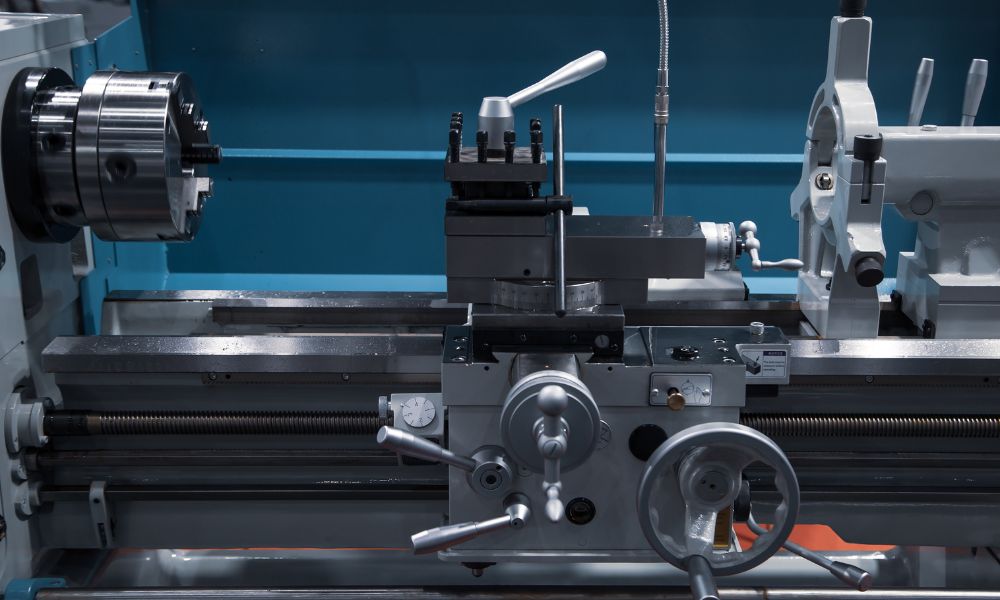
Lathe chuck threaded adaptor plates play a crucial role in machining, enabling the attachment of various workholding devices to a lathe machine. While many adaptor plates are available in finished form, there is a growing trend towards providing machinists with unfinished or rough plates. These plates offer a blank canvas, allowing users to shape and customize the adaptor to precisely fit their specific lathe machine. In this article, we will explore the advantages of using unfinished adaptor plates, the process of machining them to perfection, and include a comprehension test to evaluate understanding.
Advantages of Unfinished Adaptor Plates:
- Customization:
Unfinished adaptor plates provide machinists with the flexibility to tailor the plate’s dimensions to match their lathe chuck and machine specifications. This customization ensures a snug fit, minimizing any potential misalignment or instability during machining operations. - Cost-Effective:
Unfinished plates are often more affordable than their finished counterparts. Machinists can save costs by investing in a raw plate and utilizing their machining skills to create a precise fit rather than paying a premium for pre-finished products. - Skill Development:
Using an unfinished adaptor plate promotes skill development among machinists. Machining the plate to its final shape involves various processes such as turning, milling, and threading, allowing users to hone their machining skills and gain a deeper understanding of their equipment.
Machining Process:
- Measurement and Planning:
Begin by measuring the chuck and lathe machine dimensions accurately. This data will serve as the basis for planning the machining process. Identify the required thickness, diameter, and thread specifications for the adaptor plate. - Material Fixation:
Secure the unfinished adaptor plate onto the lathe chuck or a dedicated workholding device. Ensure it is tightly fixed to prevent any movement during the machining process. - Turning Operation:
Use the lathe machine to turn the rough plate, shaping it to the desired diameter and thickness. Take light cuts to avoid excessive material removal, allowing for better control and precision. - Milling and Drilling:
Employ milling operations to create any additional features required, such as slots or holes for fastening. Drilling may be necessary for creating holes for the mounting screws. - Threading:
If the adaptor plate requires threading, use appropriate tools to create the threads. Ensure that the threads match those of the lathe chuck for a secure fit.
Comprehension Test:
- Why are unfinished lathe chuck threaded adaptor plates gaining popularity among machinists?
a) Higher cost
b) Limited customization
c) Flexibility and customization
d) Ready-made fit - What is one advantage of using unfinished adaptor plates in terms of cost?
a) They are more expensive
b) Machinists can save costs
c) They require additional finishing
d) They lack customization - What machining operation is recommended to shape the adaptor plate to the desired diameter and thickness?
a) Drilling
b) Turning
c) Milling
d) Threading
Answer Key:
- c) Flexibility and customization
- b) Machinists can save costs
- b) Turning